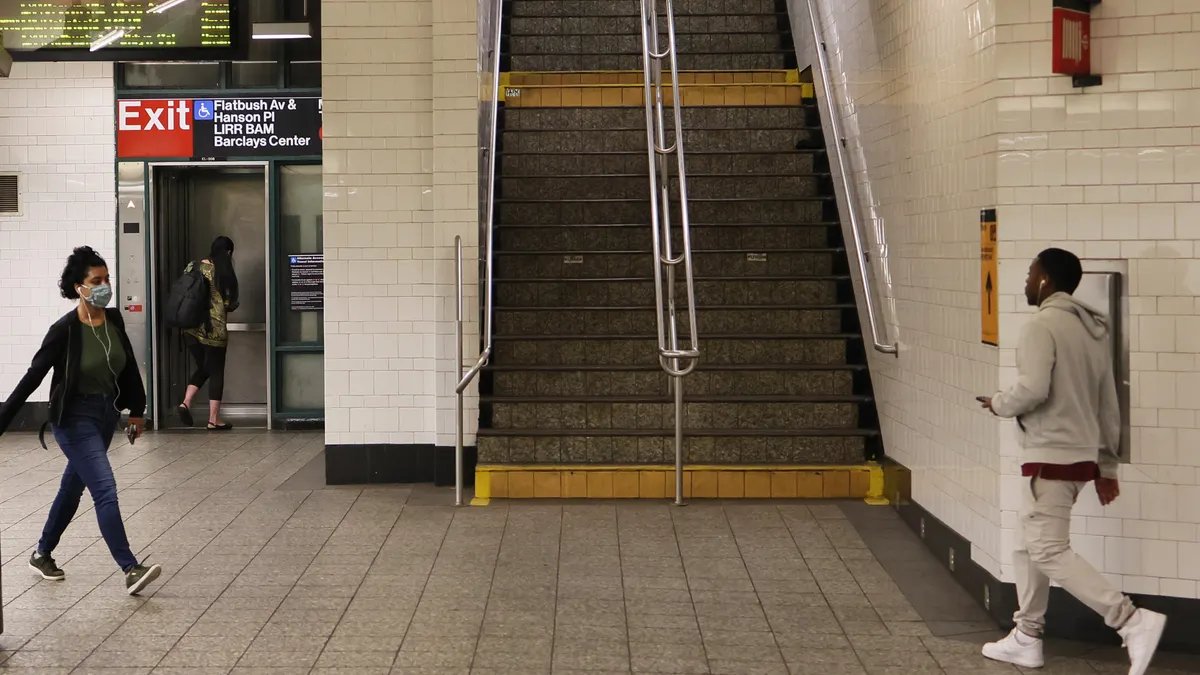
Accessibility in NYC Subway: Elevators, Ramps & Helpful Resources
Accessibility in public transportation is essential for ensuring that everyone can navigate the city independently and with dignity. The New York City subway system, one of the largest and oldest transit systems in the world, has been working to improve accessibility across its 472 stations and 27 lines.
While the subway system was built over a century ago, before modern accessibility standards existed, significant progress has been made in recent decades. Understanding what accessibility features are available, how they work, and where to find them helps riders with disabilities, seniors, parents with strollers, and anyone who benefits from accessible infrastructure plan their trips effectively.
This guide provides comprehensive information about accessibility in the NYC subway system, including elevators, ramps, accessible stations, boarding assistance, and official resources. Whether you're a regular rider or planning your first accessible trip, this information will help you navigate the system with confidence.
Overview of Accessibility in NYC Subway
The NYC subway system serves millions of riders daily, and accessibility improvements are an ongoing priority for the Metropolitan Transportation Authority. As of 2026, accessibility features are available at many stations throughout the system, with continued expansion planned.
Accessible stations typically include elevators or ramps connecting street level to mezzanines and platforms, accessible fare payment options, tactile platform edge warning strips, and audio and visual announcements. The goal is to provide barrier-free access from street to train for riders with mobility devices, visual impairments, hearing impairments, and other disabilities.
Not all stations are fully accessible yet. The MTA provides detailed information about which stations have elevators, which have ramps, and which accessibility features are available at each location. This information is crucial for trip planning, as accessibility can vary significantly between stations.
The Americans with Disabilities Act requires that new construction and major renovations include accessibility features. Many older stations have been retrofitted with elevators and other accessibility improvements, and this work continues as funding and construction schedules allow.
Accessibility information is available through multiple channels. The MTA website provides station-by-station accessibility details, mobile apps include accessibility filters, and station agents can provide information about accessibility features at their specific location.
Elevators in NYC Subway
Elevators are the primary means of vertical access in accessible subway stations. They provide barrier-free access from street level to mezzanines and from mezzanines to platforms, allowing riders using wheelchairs, mobility devices, or those who cannot navigate stairs to access the subway system.
How Elevators Work
Subway elevators operate similarly to building elevators, with some specific features for transit use. They are typically located near station entrances and are clearly marked with the international accessibility symbol. Elevator locations are indicated on station maps and wayfinding signage.
Elevators connect different levels of the station. Most stations require at least two elevators: one from street to mezzanine, and another from mezzanine to platform. Some complex stations may require multiple elevators to reach different platforms or lines.
Elevator buttons are positioned at accessible heights and include both visual indicators and tactile markings. Audio announcements indicate which floor the elevator is on and when doors are opening or closing. These features help riders with visual impairments navigate independently.
Elevator interiors are designed to accommodate mobility devices. Standard subway elevators can typically accommodate wheelchairs, scooters, and strollers. The dimensions meet ADA requirements for clear floor space and turning radius.
Emergency communication systems are installed in all subway elevators. These connect directly to station operations and can be used to report problems or request assistance. In case of elevator malfunction, alternative routes or assistance should be available through station agents.
Common Elevator Challenges
Elevator outages are one of the most significant challenges for accessible subway travel. When elevators are out of service, riders who depend on them may be unable to access platforms or exit stations. The MTA provides real-time elevator status information to help riders plan around outages.
Elevator maintenance is necessary for safety and reliability, but scheduled maintenance can temporarily limit accessibility. The MTA typically provides advance notice of planned elevator maintenance, though emergency repairs may occur without warning.
Some stations have elevators that only serve certain platforms or lines. In transfer stations with multiple lines, not all platforms may be accessible via elevator. This can complicate trip planning when transfers are necessary.
Elevator locations may not always be immediately obvious, especially in large or complex stations. Wayfinding signage should direct riders to elevators, but in some cases, asking a station agent for directions is the most reliable method.
During peak hours, elevators can become crowded, which may require waiting for the next elevator. This is particularly common at major transfer stations during rush hours. Allowing extra time for elevator access during peak periods is advisable.
Elevator Outage Information
The MTA provides real-time elevator status information through multiple channels. The official MTA website includes a dedicated accessibility page with current elevator status for all accessible stations. This information is updated regularly as outages occur and are resolved.
Mobile apps that provide subway information often include elevator status in their accessibility features. These apps can send alerts when elevators at stations you use frequently go out of service, helping you plan alternative routes proactively.
Station agents have current information about elevator status at their location. If you arrive at a station and find an elevator out of service, station agents can provide information about alternative accessible routes or assistance options.
When elevators are out of service, the MTA may provide alternative accessible transportation. This could include accessible bus service or other accommodations. Contacting the MTA customer service or speaking with a station agent can help you understand your options.
Planning ahead is essential when elevators are out of service. Check elevator status before leaving home, especially if you're traveling to an unfamiliar area. Having backup routes planned can prevent being stranded at a station without accessible egress.
Ramps and Station Access
Some subway stations use ramps instead of or in addition to elevators for accessible access. Ramps provide gradual slopes that allow wheelchairs, mobility devices, and strollers to navigate between levels without mechanical assistance.
Ramps must meet ADA slope requirements, which means they cannot be too steep. This often requires ramps to be quite long, which may not be feasible in all station configurations. Where space allows, ramps can be an effective accessibility solution.
Ramps typically include handrails on both sides for safety and support. The surface is designed to provide traction, and edges are clearly marked to help prevent accidents. These features make ramps safe and usable for a wide range of riders.
Not all stations have ramps, and ramps are more common in newer stations or stations that have undergone major renovations. The MTA provides information about which stations have ramps as part of their accessibility documentation.
Ramps may be used in combination with elevators at some stations. For example, a station might have an elevator from street to mezzanine and a ramp from mezzanine to platform, or vice versa. Understanding the specific configuration at your destination station helps with trip planning.
During inclement weather, ramps can become slippery. The MTA maintains ramps to ensure safety, but riders should exercise caution during rain, snow, or ice. Handrails provide additional stability in these conditions.
Accessible Subway Cars and Boarding
Accessible subway cars are designed to accommodate riders with mobility devices and provide features that make boarding and riding easier for people with disabilities. Understanding how these cars work and where they're located helps ensure smooth boarding.
Accessible cars are marked with the international accessibility symbol and are typically located at specific positions in the train. The exact position varies by line and train type, but conductors and station announcements can provide information about which cars are accessible.
Gap fillers and bridge plates help reduce the gap between the platform and train car. These devices are deployed by train operators when requested, making it easier and safer for wheelchairs and mobility devices to board. Riders can request gap filler deployment by signaling to the train operator.
Priority seating is available near doors in all subway cars. These seats are designated for seniors, people with disabilities, and pregnant passengers. While these seats are available to anyone when not needed, riders should be prepared to offer them to those who need them.
Wheelchair spaces are provided in accessible cars. These areas are clearly marked and provide sufficient space for mobility devices. The spaces are designed to allow wheelchairs to be secured if desired, though securing is not required.
Audio and visual announcements help riders with visual or hearing impairments know which station is approaching and when doors are opening or closing. These announcements are required in all subway cars and are essential for independent navigation.
If you need assistance boarding, train operators and station agents can help. Don't hesitate to ask for assistance if you need it. Station agents can help you locate accessible cars, and train operators can deploy gap fillers or provide other boarding assistance.
Services for Visually Impaired Riders
The NYC subway system provides multiple features and services to assist riders with visual impairments. These services help visually impaired riders navigate stations, identify trains, and travel independently.
Tactile platform edge warning strips are installed along platform edges at all stations. These raised, textured strips provide a tactile indication that riders are approaching the platform edge, helping prevent accidents. The strips are detectable with canes or through foot contact.
Audio announcements are provided throughout the system. Station names, train arrivals, service changes, and safety information are announced both on platforms and in trains. These announcements help visually impaired riders know where they are and what's happening.
Braille and tactile signage is available at many stations, particularly at key locations like elevator call buttons, fare payment machines, and information kiosks. This allows visually impaired riders to access information independently.
Station agents can provide assistance with navigation, fare payment, and trip planning. If you're visually impaired and need help finding your way through a station or understanding service information, station agents are trained to assist.
Mobile apps with accessibility features can provide audio navigation assistance. Some apps are designed specifically for visually impaired users and provide detailed audio descriptions of routes, stations, and service information.
Guide dogs and service animals are permitted throughout the subway system. Riders with guide dogs or other service animals have full access to all areas of stations and trains, and these animals are not subject to fare requirements.
Services for Hearing-Impaired Riders
The subway system includes features designed to assist riders with hearing impairments. These features ensure that important information is accessible through visual means when audio announcements might not be sufficient.
Visual displays show station names, train information, and service announcements. Digital signs on platforms and in trains display current location, next stops, and service updates. These displays are essential for riders who cannot hear audio announcements.
LED indicators on trains show when doors are opening or closing. These visual signals complement audio announcements and help hearing-impaired riders know when it's safe to board or exit.
Service change notices are posted in written form throughout stations. When service is disrupted or changed, written notices are posted at station entrances, on platforms, and in trains. These notices provide the same information that's announced audibly.
Station agents can communicate through written notes or other methods if needed. If you're hearing-impaired and need assistance, station agents can provide information in written form or use other communication methods.
Mobile apps provide visual information about train arrivals, service status, and route planning. These apps can be particularly helpful for hearing-impaired riders who rely on visual information for navigation and trip planning.
Emergency communication systems in elevators and on platforms include both audio and visual indicators. This ensures that hearing-impaired riders can access emergency assistance and information when needed.
MTA Accessibility Tools and Official Resources
The MTA provides comprehensive accessibility information and tools to help riders plan accessible trips. These resources are essential for understanding what accessibility features are available and how to use them effectively.
The MTA website includes a dedicated accessibility section with detailed information about accessible stations, elevator status, and accessibility features. This information is updated regularly and provides the most current details about system accessibility.
Station accessibility information is available for every station in the system. This includes details about elevators, ramps, accessible entrances, and other features. The information helps riders determine whether a station meets their accessibility needs.
Real-time elevator status is provided through the MTA website and mobile apps. This information is crucial for trip planning, as elevator outages can significantly impact accessible travel. Checking elevator status before traveling helps avoid inaccessible stations.
Accessible trip planning tools help riders find routes that use accessible stations. These tools can identify accessible paths between destinations and highlight stations with elevators or other needed features.
Customer service representatives can provide accessibility information and assistance. The MTA customer service line can answer questions about accessibility features, help plan accessible routes, and provide information about current service conditions affecting accessibility.
Printed accessibility guides are available at many stations and can be requested through customer service. These guides provide detailed information about accessible stations and features, and can be useful references for regular riders.
Training materials and resources are available for riders who want to learn more about using the accessible features of the subway system. These resources can help new riders or those planning their first accessible trips understand what to expect and how to navigate the system.
Tips for Accessible Trip Planning
Planning ahead is essential for accessible subway travel. Understanding which stations are accessible, checking elevator status, and having backup routes prepared helps ensure smooth trips.
Check elevator status before leaving home. Elevator outages can change throughout the day, so verifying status right before your trip ensures you have current information. Mobile apps can provide real-time updates and alerts.
Identify accessible stations along your route. Not all stations are accessible, so your route may need to use specific stations even if they're not the most direct path. The MTA website and apps can help identify accessible routes.
Plan for extra time. Accessible travel may require using elevators, waiting for accessible cars, or taking slightly longer routes. Allowing extra time prevents rushing and reduces stress.
Have backup routes prepared. If your primary route becomes inaccessible due to elevator outages or other issues, having alternative routes planned helps you adapt quickly without being stranded.
Know which trains have accessible cars. Not all trains on all lines have accessible cars at all times. Understanding which lines and services typically have accessible cars helps with planning.
Carry contact information for assistance. Having the MTA customer service number or knowing how to contact station agents can be helpful if you encounter unexpected accessibility issues during your trip.
Use accessible trip planning tools. The MTA website and various mobile apps include features specifically designed for accessible trip planning. These tools can identify accessible routes and highlight potential challenges.
Familiarize yourself with stations you use frequently. Understanding the layout of your regular stations, including elevator locations and accessible entrances, makes daily travel smoother and more efficient.
Frequently Asked Questions
How many subway stations are accessible?
The number of accessible stations continues to grow as the MTA works to improve system accessibility. As of 2026, over 100 stations have elevators or ramps providing accessible access. The MTA website provides current counts and lists of accessible stations.
What should I do if an elevator is out of service?
If you arrive at a station and find an elevator out of service, contact a station agent immediately. They can provide information about alternative accessible routes, accessible bus service, or other accommodations. The MTA may provide alternative transportation when elevators are unavailable.
Are all subway cars accessible?
Not all subway cars are accessible, but accessible cars are available on most trains. Accessible cars are marked with the international accessibility symbol and are typically located at specific positions in trains. Train operators and station announcements can help you locate accessible cars.
How do I request assistance boarding a train?
You can request boarding assistance from train operators or station agents. Train operators can deploy gap fillers to reduce the space between platform and train, making boarding easier. Station agents can help you locate accessible cars and provide other assistance as needed.
Are service animals allowed on the subway?
Yes, service animals, including guide dogs, are permitted throughout the subway system. Service animals are not subject to fare requirements and have full access to all areas of stations and trains. The animals must be under control of their handlers.
How can I find out if a station is accessible before I travel?
The MTA website provides detailed accessibility information for every station, including whether elevators or ramps are available. Mobile apps also include accessibility filters and information. You can also call MTA customer service for accessibility information about specific stations.
What accessibility features are available for riders with visual impairments?
Features for visually impaired riders include tactile platform edge warning strips, audio announcements, Braille and tactile signage, and assistance from station agents. Guide dogs and service animals are also permitted throughout the system.
Conclusion
Accessibility in the NYC subway system is an ongoing priority, with improvements being made continuously. While not all stations are fully accessible yet, many stations provide elevators, ramps, and other features that enable independent travel for riders with disabilities.
Understanding what accessibility features are available, how to access them, and how to plan trips using accessible stations helps riders navigate the system effectively. The MTA provides comprehensive resources and information to support accessible travel.
For detailed information about accessible stations, check our stations directory which includes accessibility details for each location. Our interactive subway map shows accessible stations and can help you plan accessible routes. For real-time service information that includes elevator status, use our train timings page. And for fare information including accessible payment options, visit our fare calculator.
Accessibility improvements continue throughout the system, and staying informed about new accessible stations and features helps you take advantage of expanding accessibility options. With proper planning and knowledge of available resources, the subway system can be a viable transportation option for riders with diverse accessibility needs.