NYC Subway Safety Guide: Tips for Day & Night Travel (2026)
Riding the New York City subway is a daily experience for millions of people. Whether you're a first-time visitor exploring the city, a tourist navigating between attractions, or a daily commuter heading to work, understanding subway safety helps you travel with confidence.
The NYC subway system operates 24 hours a day, seven days a week, across 472 stations. With such extensive coverage and constant operation, knowing how to stay safe during both daytime and nighttime travel makes your journey smoother and more comfortable.
This guide covers practical safety tips that apply whether you're riding during rush hour or late at night. We'll explore platform safety, train safety, what to do in emergencies, and how the system's security measures work to protect riders.
Is the NYC Subway Safe?
Yes, the NYC subway is generally safe for riders. Millions of people use it every day without incident. The Metropolitan Transportation Authority and New York Police Department work together to maintain security across the system.
Like any major public transportation system in a large city, awareness and common sense go a long way. Most safety concerns can be addressed by staying alert, following basic safety guidelines, and knowing how to access help when needed.
Crime rates on the subway have decreased significantly over the past few decades. The system is well-lit, monitored by security cameras, and patrolled by both uniformed and plainclothes officers. Station agents are available in booths at every station to assist riders.
Understanding that the subway is generally safe doesn't mean ignoring precautions. Smart riders stay aware of their surroundings, keep belongings secure, and know how to respond if something feels off. These practices help ensure a positive experience for everyone.
General Subway Safety Tips for All Riders
Certain safety practices apply regardless of when you're traveling. These fundamental tips form the foundation of safe subway travel in New York City.
Stay aware of your surroundings. This means keeping your head up, not burying yourself in your phone, and noticing what's happening around you. Awareness helps you avoid potential issues and respond quickly if something unexpected occurs.
Keep your belongings secure. Use bags with zippers, keep wallets and phones in front pockets or secure compartments, and never leave items unattended. Thieves often target distracted riders, so keeping valuables close and out of sight reduces risk.
Trust your instincts. If something feels wrong or someone makes you uncomfortable, move to a different car or wait for the next train. Your intuition is a valuable safety tool, and there's no reason to stay in a situation that feels unsafe.
Know your route before entering the station. Having a plan reduces the time you spend looking confused or checking maps, which can make you appear vulnerable. Use navigation apps before you go underground, or check the subway map at the station entrance.
Stay in well-lit areas. Most subway stations are well-lit, but if you notice a dimly lit section, choose a brighter area to wait. Well-lit spaces are generally safer and make it easier to see your surroundings clearly.
Keep emergency contacts accessible. Program important numbers into your phone, or write them down on a card you keep with you. In an emergency, you'll want quick access to help without fumbling through your phone.
Daytime Subway Safety Tips
Daytime subway travel is typically the busiest and most straightforward time to ride. Rush hours bring crowds, which can feel overwhelming but also provide safety in numbers. Here's how to navigate daytime travel safely.
During peak hours, stations and trains are crowded. While this can feel chaotic, the presence of many other riders generally increases safety. Stay with the flow of traffic, and don't try to push against crowds. Move with the group rather than fighting it.
Watch for pickpockets in crowded situations. Crowded trains and platforms create opportunities for thieves. Keep bags zipped and in front of you, and be especially careful when boarding or exiting trains, as these moments of transition are when thefts often occur.
Choose cars with other passengers. Even during daytime, avoid completely empty cars. A car with several other riders provides both safety and assistance if you need help. If you enter a car and it's empty while others have people, consider moving to a busier car.
Be mindful of rush hour dynamics. Morning rush hour typically runs from about 7:00 AM to 9:30 AM, and evening rush hour from roughly 3:30 PM to 8:00 PM. During these times, trains run more frequently, but platforms and cars are packed. Allow extra time for your journey.
Stay hydrated and take breaks if needed. Long waits on hot platforms or crowded trains can be physically taxing. If you feel unwell, exit at the next station and find a place to rest. Station agents can help direct you to water or medical assistance if necessary.
Keep children close. If you're traveling with children, hold their hands and keep them within arm's reach, especially on platforms and when boarding trains. Teach them to stand behind the yellow safety line and to hold onto poles or handrails while the train is moving.
Night & Late-Night Subway Safety Tips
Late-night subway travel requires additional awareness and planning. While the subway runs 24 hours, service becomes less frequent after midnight, and fewer people ride during these hours. Here's how to stay safe when traveling at night.
Plan your route in advance. Late-night service changes are common, and some express trains run local. Check service alerts before you travel, and have a backup route in mind. Knowing your options prevents you from being stranded or confused late at night.
Wait in designated waiting areas. Many stations have designated waiting areas near the station agent's booth. These areas are typically well-lit and monitored. If you're waiting for a train late at night, position yourself in one of these areas rather than at the far end of a platform.
Stay near other passengers. Even if there are only a few people on the platform, position yourself near them rather than isolating yourself. There's safety in proximity to others, and if something happens, you have witnesses and potential help nearby.
Choose cars with other riders. This rule becomes even more important at night. Avoid empty cars completely. If you board a train and your car is empty, move to a car with other passengers. Most late-night riders understand this practice and won't find it unusual.
Keep your phone charged. A dead phone late at night leaves you without navigation, communication, or the ability to call for help. Charge your phone before heading out, and consider carrying a portable charger if you'll be out for extended periods.
Be aware of service frequency. Late-night trains may come every 15 to 20 minutes instead of every 2 to 5 minutes. Plan accordingly and don't expect the same frequency as daytime service. Use apps that show real-time arrivals to minimize wait times.
Consider your alternatives. If you're uncomfortable waiting alone late at night, consider using a rideshare service for the final leg of your journey, or travel with a friend when possible. There's no shame in choosing the option that makes you feel most comfortable.
Stay alert, not paranoid. Being aware doesn't mean being fearful. Most late-night riders are simply commuters, workers, or people heading home. Stay observant, but don't assume everyone is a threat. Balance awareness with a calm demeanor.
Platform Safety & Train Safety
Platform and train safety are fundamental to subway travel. Understanding how to navigate platforms safely and ride trains securely protects you from the most common subway-related accidents.
Stand behind the yellow line. Every platform has a yellow safety line near the edge. Always stand behind this line until the train has completely stopped. Trains can pass very close to platform edges, and standing too close risks serious injury.
Watch for approaching trains. Don't stand with your back to the tracks. Position yourself so you can see trains approaching. This helps you avoid being surprised and gives you time to step back if needed.
Hold onto handrails when boarding. Subway cars can move slightly even when stopped at a station. When boarding, use handrails to steady yourself. This prevents falls and helps you maintain balance as the train begins moving.
Move away from doors after boarding. Once you're on the train, move toward the center of the car. Standing in doorways blocks other passengers and can prevent doors from closing properly. Find a seat or stand near a pole or handrail.
Hold onto something while standing. Even if the train seems stable, always hold onto a pole, handrail, or overhead strap when standing. Trains can stop suddenly, and you don't want to fall into other passengers or lose your balance.
Never walk between cars while the train is moving. It's illegal and extremely dangerous to walk between subway cars while the train is in motion. If you need to move to another car, wait until the train stops at a station.
Be careful with large items. If you're carrying luggage, a bicycle, or other large items, keep them secure and out of the way of other passengers. Don't block aisles or doorways, and be mindful of how your items might affect others.
Respect priority seating. Seats near doors are designated for seniors, people with disabilities, and pregnant passengers. If you're able-bodied and these are the only seats available, you can sit, but be ready to give up your seat if someone needs it.
How NYC Subway Security Works
The NYC subway system employs multiple layers of security to protect riders. Understanding how these systems work helps you know when and how to access help, and provides confidence in the system's safety measures.
NYPD Transit Bureau officers patrol the subway system. You'll see uniformed officers in stations and on trains, and plainclothes officers also work throughout the system. These officers are trained specifically for transit environments and respond to incidents quickly.
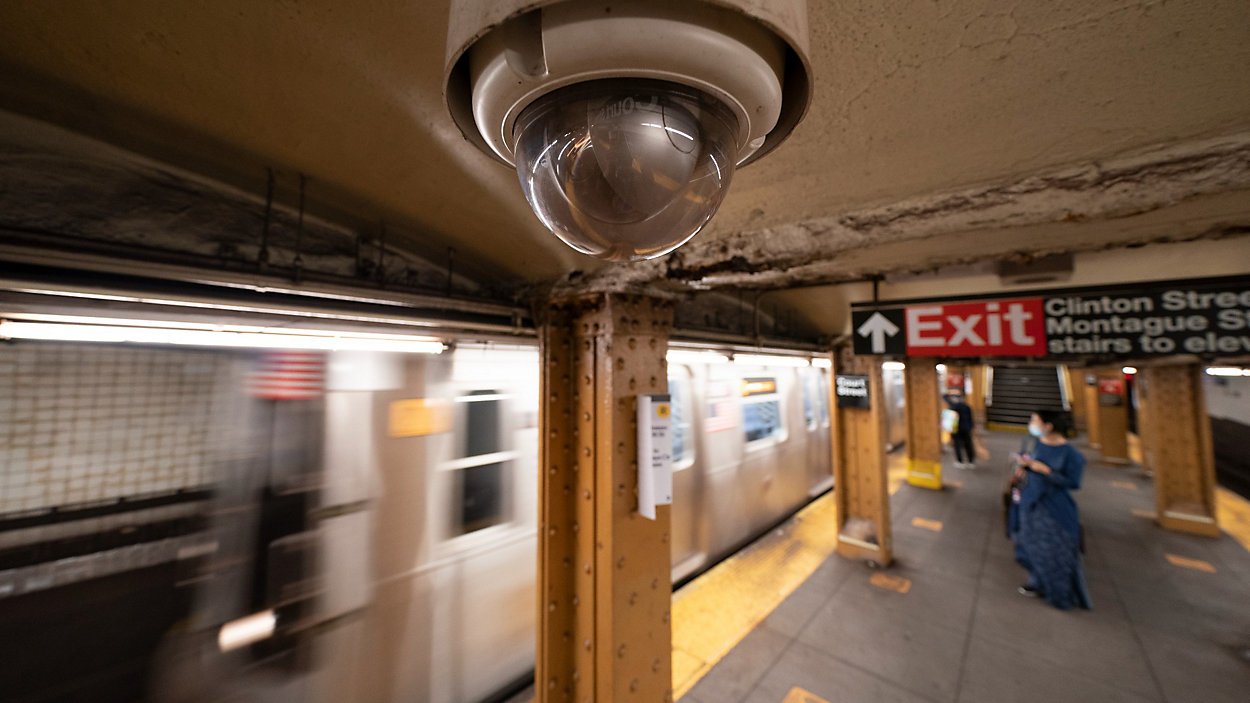
Security cameras monitor platforms and trains. Most stations have extensive camera coverage, and newer subway cars are equipped with cameras. These systems help deter crime and provide evidence when incidents occur. The presence of cameras alone makes stations safer.
Station agents are available 24/7. Every station has a booth with a station agent who can help with directions, provide information, and contact emergency services. If you need help, don't hesitate to approach the station agent. They're there to assist riders.
Emergency intercoms are in every subway car. Look for the blue emergency intercom button near the doors. These connect directly to the train operator and can be used for medical emergencies, security concerns, or other urgent situations. Only use them for actual emergencies.
Text 911 for emergencies. In addition to calling 911, you can text 911 in New York City. This is useful if you're in a situation where speaking might be unsafe or if you have hearing difficulties. Include your location and the nature of the emergency in your text.
See Something, Say Something is the MTA's public awareness campaign. If you notice something suspicious, report it to an officer, station agent, or call 911. Don't assume someone else will report it. Your observation might be the one that prevents an incident.
Regular security patrols occur throughout the system. Officers don't just respond to calls; they actively patrol stations and trains. Their visible presence deters crime and provides reassurance to riders. If you see an officer, don't hesitate to ask for help or report concerns.
What to Do in an Emergency
Knowing how to respond in an emergency is crucial for subway safety. While emergencies are rare, being prepared helps you act quickly and effectively if something happens.
For medical emergencies, call 911 immediately. If you're on a train, use the emergency intercom to alert the train operator. The operator can contact emergency services and arrange for medical personnel to meet the train at the next station. Stay with the person if it's safe to do so, and follow any instructions from emergency responders.
If you witness a crime or feel threatened, move to a safe location first. Get to a different car, exit at the next station, or position yourself near other passengers or a station agent. Then call 911 or alert an officer. Your safety comes first, so don't put yourself at risk to intervene.
In case of a fire or smoke, alert the train operator immediately using the emergency intercom. Don't pull the emergency brake unless the train operator instructs you to do so. Moving trains can be stopped more safely at stations. If you're on a platform and see smoke or fire, alert the station agent and evacuate if directed.
If someone is harassing you, don't engage. Move away from the person, change cars, or exit at the next station. Report the incident to a station agent or officer. Harassment is taken seriously, and reporting it helps prevent future incidents.
For lost children, immediately contact a station agent or officer. They're trained to handle these situations and can coordinate with other stations and authorities. Stay with the child if you found them, or provide a detailed description if you're reporting a lost child.
If you're lost or confused, ask a station agent for help. They can provide directions, explain service changes, and help you get where you need to go. Don't wander around confused; station agents are there specifically to assist riders.
In the event of a service disruption, listen to announcements and check information boards. Station agents and MTA staff will provide updates and alternative routes. Stay calm and follow instructions. Service disruptions are usually resolved quickly, and alternative transportation options are often available.
Common Safety Mistakes Riders Make
Many subway safety issues stem from common mistakes that are easily avoidable. Being aware of these pitfalls helps you stay safe and avoid problems.
Standing too close to platform edges is one of the most dangerous mistakes. The yellow safety line exists for a reason. Trains pass inches from platform edges, and standing too close risks serious injury or worse. Always stand behind the yellow line until your train has stopped.
Getting too absorbed in phones or devices reduces awareness. While it's fine to use your phone on the subway, don't become so focused on it that you lose track of your surroundings. Periodically look up, notice who's around you, and stay aware of your environment.
Leaving belongings unattended invites theft. Never leave bags, phones, or other items on seats or platforms, even for a moment. If you need to set something down, keep it between your feet or in your lap where you can see and feel it.
Ignoring your instincts can lead to problems. If something feels wrong, don't dismiss that feeling. Your intuition is a valuable safety tool. If a situation feels unsafe, remove yourself from it. There's always another train or another car.
Not planning routes in advance creates vulnerability. Looking lost or confused can make you a target. Know where you're going before you enter the station. Check service alerts, plan your route, and have a backup plan if your primary route has issues.
Using headphones at full volume eliminates awareness. You don't need to hear everything happening around you, but being completely cut off from environmental sounds reduces your ability to respond to situations. Keep volume at a level where you can still hear announcements and notice your surroundings.
Engaging with disruptive individuals escalates situations. If someone is behaving erratically or aggressively, don't engage. Move away, change cars, or exit at the next station. Engaging often makes situations worse and puts you at risk.
Not knowing how to access help leaves you vulnerable. Familiarize yourself with emergency intercoms, station agent locations, and how to contact authorities. Knowing these things before you need them ensures you can act quickly in an emergency.
Tips for Tourists & First-Time Riders
If you're new to the NYC subway, these specific tips will help you navigate safely and confidently. The system can feel overwhelming at first, but with a little preparation, you'll be riding like a local in no time.
Study the subway map before your trip. Understanding the basic layout helps you navigate more confidently. You don't need to memorize everything, but knowing which lines serve the areas you'll visit reduces confusion and makes you appear less like a target for scams or theft.
Download helpful apps before you travel. Google Maps, Apple Maps, and the official MTA app provide real-time directions, service alerts, and arrival times. Having these ready before you go underground ensures you can navigate even if cell service is limited.
Keep a physical map as backup. While apps are convenient, having a printed subway map ensures you can navigate even if your phone dies or loses service. You can pick up free maps at any station booth, or print one before your trip.
Understand the difference between uptown and downtown. In Manhattan, uptown means north and downtown means south. This distinction is crucial for choosing the right platform. Look for signs that say "Uptown & The Bronx" or "Downtown & Brooklyn" to find the correct side.
Know which payment method you'll use. The subway accepts OMNY (contactless payment) and MetroCard. Decide which you'll use before entering the station. OMNY is convenient if you have a contactless card or phone, while MetroCard might be better if you want an unlimited pass.
Allow extra time for your first few trips. Everything takes longer when you're learning. Give yourself plenty of time so you don't feel rushed or panicked. Rushing leads to mistakes and reduces awareness.
Travel with a companion when possible, especially at first. Having someone with you provides an extra set of eyes, makes navigation easier, and increases safety. If you must travel alone, let someone know your route and expected arrival time.
Stay in tourist-friendly areas initially. Major stations like Times Square, Grand Central, and Union Square are well-patrolled and have many other tourists. As you become more comfortable, you can explore less central areas.
Don't display expensive items prominently. While the subway is generally safe, flashing expensive jewelry, cameras, or electronics can attract unwanted attention. Keep valuables secure and out of sight when possible.
Ask for help when needed. Station agents, police officers, and even fellow riders are usually happy to help. Don't be embarrassed to ask for directions or clarification. Most New Yorkers understand that the subway can be confusing for newcomers.
Frequently Asked Questions
Is it safe to ride the NYC subway at night?
Yes, the NYC subway is generally safe at night, though it requires more awareness than daytime travel. Service is less frequent after midnight, and fewer people ride during late hours. Stay in well-lit areas, choose cars with other passengers, and trust your instincts. If you're uncomfortable, consider alternative transportation for late-night travel.
What should I do if I feel unsafe on the subway?
If you feel unsafe, move to a different car, exit at the next station, or position yourself near other passengers or a station agent. Trust your instincts and don't hesitate to remove yourself from a situation that feels wrong. You can also alert a station agent or officer, or call 911 if you feel threatened.
Are there security cameras on the subway?
Yes, most subway stations have extensive security camera coverage, and newer subway cars are equipped with cameras. These systems help deter crime and provide evidence when incidents occur. The presence of cameras contributes to overall system safety.
How do I report a safety concern on the subway?
You can report safety concerns to a station agent, police officer, or by calling 911. For non-emergency issues, you can contact the MTA through their website or customer service line. The See Something, Say Something campaign encourages riders to report suspicious activity.
What's the safest place to wait on a subway platform?
The safest place to wait is in a well-lit area, preferably near the station agent's booth or near other passengers. Always stand behind the yellow safety line, and position yourself so you can see trains approaching. Avoid isolated areas at the far ends of platforms, especially at night.
Should I avoid empty subway cars?
Yes, it's generally wise to avoid completely empty cars, especially at night. Cars with other passengers provide safety in numbers and potential assistance if needed. If you enter a car and it's empty while others have people, consider moving to a busier car.
What emergency resources are available on subway trains?
Every subway car has an emergency intercom that connects directly to the train operator. These should only be used for actual emergencies. You can also call or text 911 from anywhere in the system. Station agents are available 24/7 at every station to provide assistance.
Final Thoughts
The NYC subway is a safe, efficient way to travel throughout New York City. Millions of people use it every day without incident. By staying aware, following basic safety guidelines, and knowing how to access help when needed, you can ride with confidence at any time of day or night.
Remember that awareness doesn't mean fear. The subway is a public space used by millions of diverse people every day. Most riders are simply commuters, tourists, or residents going about their business. Stay observant, but don't assume the worst about every situation.
Preparation goes a long way toward safe subway travel. Know your route, understand how the system works, and familiarize yourself with emergency procedures before you need them. A little preparation eliminates much of the stress and uncertainty that can make subway travel feel daunting.
Trust your instincts, but don't let fear prevent you from using this incredible transportation system. The subway connects all five boroughs, runs 24 hours a day, and offers one of the most affordable ways to get around New York City. With the right knowledge and awareness, you can navigate it safely and confidently.
If you're planning your subway routes, check out our interactive subway map for detailed station information and line connections. For fare information and payment options, visit our fare calculator. And for real-time arrival estimates, use our train timings page to plan your trips more effectively.